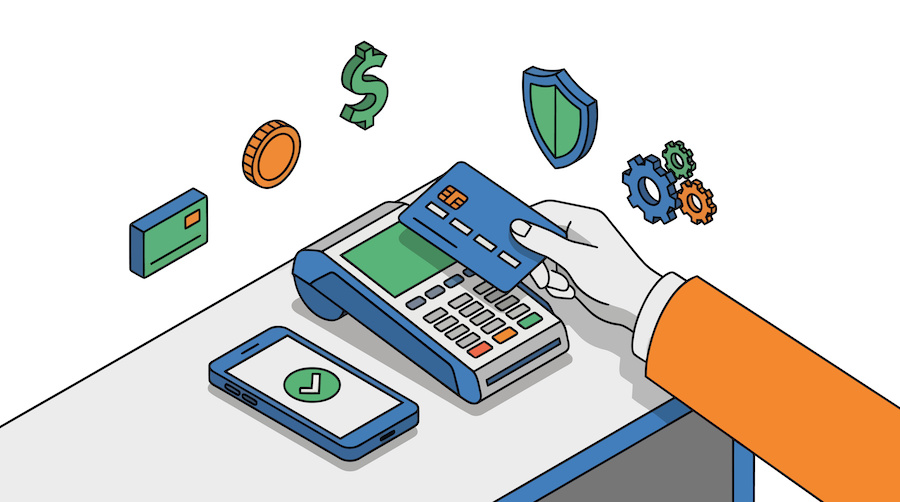

For many online businesses, finding a reliable payment processor is straightforward. But for companies operating in regulated, emerging, or chargeback-prone industries, securing payment processing can be far more complex. This is where high risk payment gateways come in.
High risk payment gateways are specialized solutions designed to support e-commerce merchants that traditional processors often reject. In this guide, we’ll explain what makes a business high risk, how high risk gateways work, what features matter most, and how to choose the right provider for your business.
What Is a High Risk Payment Gateway?
A high risk payment gateway is a payment processing solution built for businesses that present elevated risk to banks and card networks. These gateways facilitate secure online transactions while working with acquiring banks willing to underwrite higher-risk merchants.
Unlike standard gateways, high risk payment gateways are designed to handle higher chargeback ratios, increased fraud exposure, regulatory scrutiny, and complex billing models such as subscriptions or international sales.
What Makes a Business “High Risk”?
Payment processors evaluate risk based on several factors. A business may be classified as high risk due to its industry, business model, or financial history.
Industry Type
- CBD and hemp products
- Nutraceuticals and supplements
- Adult content and dating services
- Online gambling and gaming
- Forex, crypto, and trading platforms
- Subscription and continuity billing models
Business Model Risks
- Free trials with auto-renewal
- High average transaction values
- Delayed fulfillment or pre-orders
- International or offshore operations
Merchant History
- Previous chargebacks or account shutdowns
- Limited operating history
- Poor credit or financial instability
How High Risk Payment Gateways Work
High risk payment gateways function similarly to standard gateways but include additional underwriting and risk controls.
- Customers enter payment details at checkout
- The gateway encrypts and transmits transaction data
- The acquiring bank reviews and approves or declines the transaction
- Funds are settled to the merchant account, often on a delayed schedule
The primary difference is that high risk gateways work with specialized acquiring banks and actively monitor transactions to reduce chargebacks and fraud.
Key Features to Look for in a High Risk Payment Gateway
Chargeback Management
- Chargeback alerts and monitoring
- Prevention tools and transaction analysis
- Support for representment and disputes
Fraud Prevention and Security
- Advanced fraud filters
- Velocity checks and IP monitoring
- 3D Secure and tokenization
- PCI DSS compliance
Global and Multi-Currency Support
- International card acceptance
- Multiple currency processing
- Cross-border transaction support
Recurring and Subscription Billing
- Automated recurring payments
- Failed payment retries
- Flexible billing and plan management
Pricing: What High Risk Merchants Should Expect
High risk payment gateways typically cost more than standard processors due to increased risk exposure. Common pricing components include:
- Processing rates between 3% and 8%
- Rolling reserves where a percentage of funds is held
- Monthly gateway and account fees
- Chargeback and retrieval fees
For high risk merchants, approval stability and long-term reliability are often more important than the lowest possible rate.
Examples of High Risk Payment Gateway Providers
- Flow Payments – Custom solutions for high risk merchants
- PayKings – Supports CBD, adult, and nutraceutical merchants
- ProMerchant – High approval rates for hard to place merchants
- PaymentCloud – Known for fast approvals and chargeback mitigation
High Risk Payment Gateway vs Standard Gateway
| Feature | High Risk Gateway | Standard Gateway |
|---|---|---|
| Approval Difficulty | High | Low |
| Supported Industries | Restricted or regulated | Low-risk only |
| Chargeback Tolerance | Higher | Very low |
| Pricing | Higher | Lower |
| Underwriting | Manual and detailed | Automated |
How to Choose the Right High Risk Payment Gateway
- Industry-specific experience
- Strong acquiring bank relationships
- Transparent pricing and reserve terms
- Ability to scale with transaction volume
- Dedicated account management and support
Common Mistakes High Risk Merchants Should Avoid
- Repeatedly applying to standard processors
- Ignoring chargeback ratios
- Choosing price over stability
- Misrepresenting products during underwriting
Are High Risk Payment Gateways Legitimate?
Yes. High risk payment gateways are legitimate financial services operating within card network rules. They exist to serve businesses that fall outside traditional risk tolerances.
Final Thoughts: Do You Need a High Risk Payment Gateway?
If your e-commerce business operates in a regulated industry, has experienced account declines, or uses complex billing models, a high risk payment gateway may be essential.
While costs are higher, the benefits include greater account stability, industry expertise, and the ability to scale without constant payment disruptions.